
Emotional growth changes how we see ourselves and others. It mixes being emotionally mature with habits that improve our mental health. This supports lasting personal growth.
Being emotionally mature means controlling our feelings and thinking before we react. It also means being responsible in our relationships. Simple actions like using “I” statements and listening well can turn fights into talks. They can also make us feel more connected.
Emotional intelligence and self-improvement are closely linked. Keeping track of our moods and learning about love languages can help. Programs like NextSelf.ai and therapy through BetterHelp can also improve our choices in relationships.
Personal development never stops. Having a growth mindset and being kind to ourselves are key. Daily habits like journaling or mindfulness help us grow emotionally. These steps make emotional growth easy and lasting in our everyday lives.
Understanding Emotional Growth and Its Importance

Emotional growth changes how we handle stress and connect with others. It mixes everyday habits with deep psychological growth. This mix leads to lasting change.
Definition of Emotional Growth
Emotional growth means knowing our feelings, setting boundaries, and owning our actions. It’s about being aware, empathetic, accountable, and resilient. It’s not about being perfect but about steady effort and realistic goals.
Impact on Personal Well-Being
When we grow emotionally, we see patterns and triggers that cause trouble. This leads to better decision-making and mental health. We also have clearer priorities and more fulfilling relationships.
The Role of Emotional Intelligence
Emotional intelligence helps us understand and accept our feelings. It makes us better at solving problems and turning challenges into learning experiences. Techniques like knowing love languages and being kind to ourselves help us grow faster.
Stages of Emotional Growth
Emotional growth happens in steps. It moves us from reacting to connecting thoughtfully. Each step helps us build better relationships and grow psychologically. It’s about simple habits and staying committed.
Recognizing Your Emotions
Start by noticing patterns and what triggers them. Ask yourself, What am I feeling and why? This habit stops us from acting on impulse and starts self-awareness.
Look out for physical signs like tightness or feeling tired. These signs help us tell if we’re just attracted or really attached.
Developing Emotional Awareness
Take time to think about your feelings. Use journals or quiet moments. Say “I” statements to own your feelings and listen well to others.
Therapy, meditation, and coaching help a lot. They make us emotionally mature and support our ongoing growth.
Building Resilience
Resilience comes from regular habits and being kind to yourself. See mistakes as chances to learn and stay positive when plans change.
Don’t be afraid to ask for help. Join groups or see a therapist to grow emotionally and fix relationship issues.
Fostering Empathy
Empathy needs curiosity and courage. Listen with your heart and ask questions when you’re not sure what someone needs.
Try to see things from your partner’s point of view. Ask for feedback in safe places. These actions make our connections deeper and help us grow emotionally.
Strategies for Enhancing Emotional Growth
Small daily routines can help grow your emotions and improve your mental health. They build skills, keep you accountable, and strengthen relationships. Awareness, communication, and action are key.
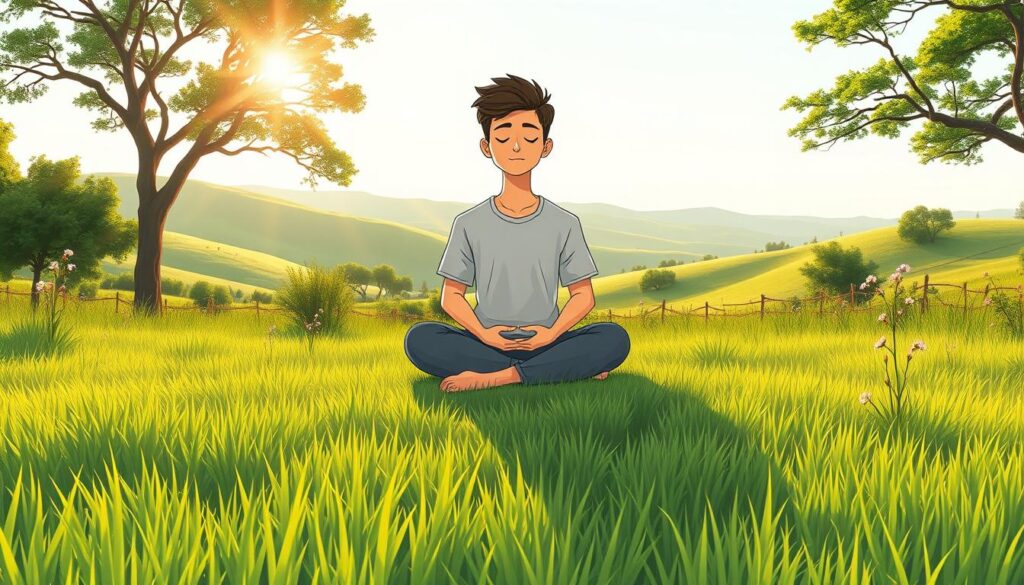
Practicing Mindfulness and Reflection
Take a moment before reacting. Breathe and check your emotions. This mindfulness helps you avoid quick reactions.
Reflection helps you stay accountable and set healthy boundaries. Try short daily check-ins to understand your feelings and what causes them.
Journaling for Emotional Clarity
Journaling shows patterns in your mood and actions. Track your energy, mental clarity, and kindness. This helps you see changes over time.
Write “I feel” messages and do short exercises. Learn about the five love languages by Gary Chapman to improve emotional communication.
Seeking Professional Guidance
Therapists and coaches help grow your emotional intelligence. They help with trauma and change. They offer support tailored to you.
Look for therapists with good reviews, like on BetterHelp. Use tools like NextSelf.ai for personal growth and self-improvement.
Connecting with Supportive Communities
Group work and coaching cohorts offer support and feedback. They create a safe space for sharing. Activities like meditation or journaling start your day right.
Learn self-compassion from Kristin Neff and a growth mindset from Carol Dweck in groups. These communities improve your skills and connections.
Emotional Growth in Relationships
Emotional growth changes how we connect and solve problems together. It makes us better at working through issues and supporting each other. By improving our skills and understanding emotions, we make better choices.
Small steps every day help a lot. Like pausing before we speak, using “I” statements, and asking questions. These actions lead to healthier conversations and stronger relationships.
Good communication means being fully present and listening well. We should repeat back what we heard to make sure we understand. It’s also important to stay calm and schedule big talks when we’re both relaxed.
Setting clear boundaries is key to keeping our emotions safe. It helps us respect each other’s needs. This builds trust and respect in our relationship.
Dealing with conflicts in a smart way means facing our feelings and being kind. We should ask questions instead of jumping to conclusions. This helps us understand each other better.
Being open and honest with each other builds trust. Sharing our fears and laughing together makes our bond stronger. By being aware of our emotions and setting boundaries, we can keep our relationship strong.
Seeking help from a couples counselor can also be very helpful. They can guide us in improving our communication and connection.
FAQ
What is emotional growth and how does it differ from emotional intelligence?
Why does emotional growth matter for my mental well‑being and relationships?
How do I recognize my emotions and patterns without getting overwhelmed?
What practical daily practices build emotional awareness and resilience?
How can journaling help with emotional clarity?
When should I seek professional help like therapy or coaching?
Can technology support emotional growth? Which tools are effective?
How do I set healthy boundaries without causing conflict?
What are effective communication techniques to improve intimacy and reduce blame?
How does vulnerability strengthen relationships and emotional growth?
What role do empathy and community play in personal development?
How do I handle a partner with lower emotional intelligence?
What common obstacles slow emotional growth, and how do I move past them?
How long does emotional growth take, and how will I know I’m making progress?
Published by Stillwater Field
Talk this through with us

![Online Lip Blush Course - Master Your Skills [2024]](/wp-assets/lip-blush-course.jpg)